Case study
Privacy, safety and security
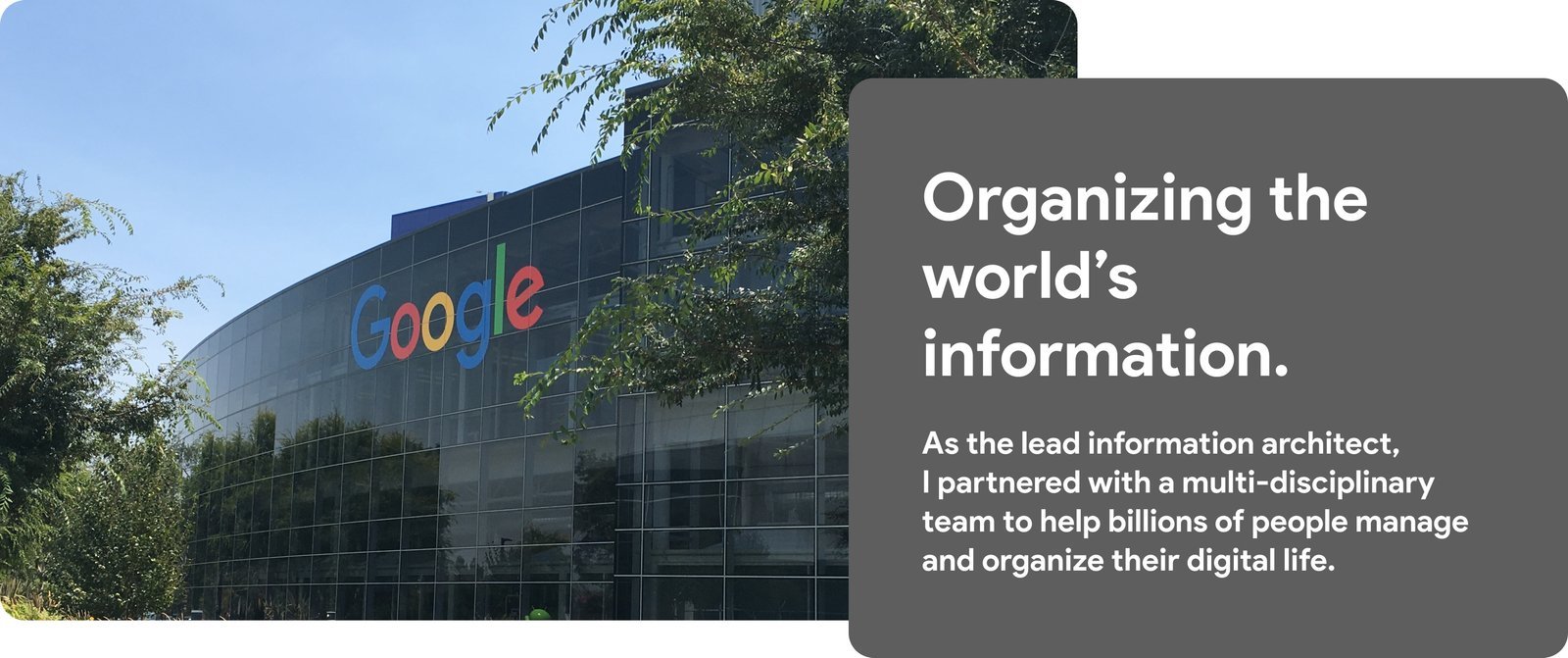
Google is the most popular search engine in the world, serving over 8.5 billion searches/day.
The problem
Users are drowning in the information overload era, they have too many passwords and digital artifacts spread across the internet.
Opportunity
Provide billions of users with a single place to manage and organize their digital life.
My role
We kicked-off the project with a 3 day design sprint. Initially, we were briefed by executive leaders and key stakeholders to get a better understanding of the business/operational goals, scope and timelines.
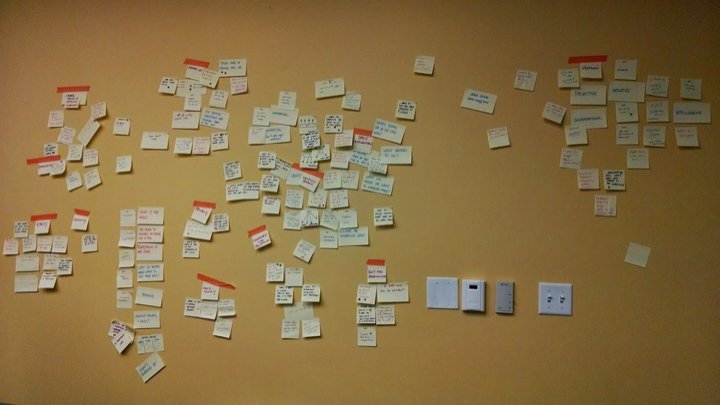
We captured lots of ideas on post-it notes while listening to our speakers. We also conducted an affinity diagram exercise by organizing post-it notes into groups to identify high-level themes.
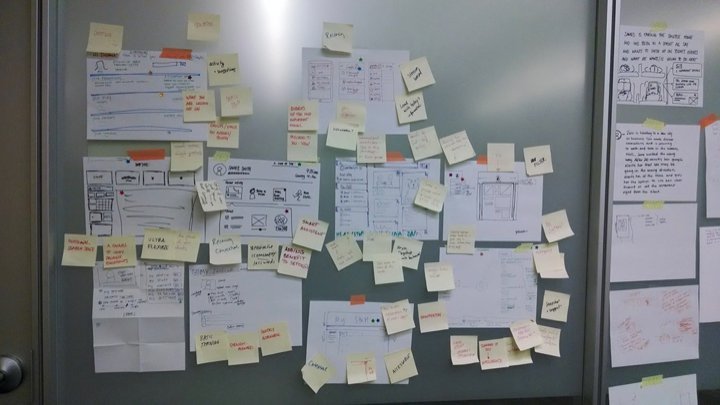
As individuals, we generated as many ideas as we could in 6 minutes. We selected our strongest idea and sketched and refined that idea. As a group, we discussed our ideas and voted on our favorites. Between day 2 and day 3, everyone prepared a possible use case/scenario.
Use case #1: Google is proactive and takes care of things for me.
- Google can make contextually relevant suggestions e.g. Hey Jake, your passport is about to expire… would you like some help?
Use case #2: Google understands user intent.
- Google knows that you’re researching hotels, booked a flight or rented a car and is smart enough to recognize that you are planning a trip.
How I led it
I was the lead information architect on the Google work, with one visual designer, one sprint facilitator, and one UX researcher. The work meant aligning key stakeholders and executive leadership across the organization: legal, customer service, content, and engineering.
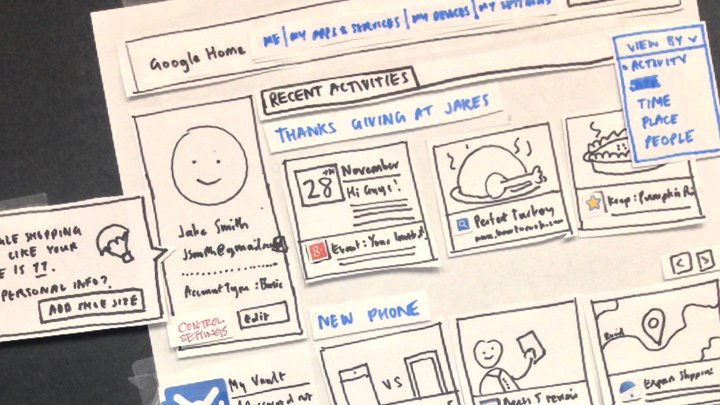
The hardest call was prototyping. I wanted to create a digital prototype, but we ended up using paper prototypes to get some early initial user feedback.
The tradeoff was fidelity. By keeping the initial concepts in grayscale, as wireframes, we were able to iterate quickly until the team felt there was a solid solution in place, and then we transitioned to higher fidelity designs.
The work
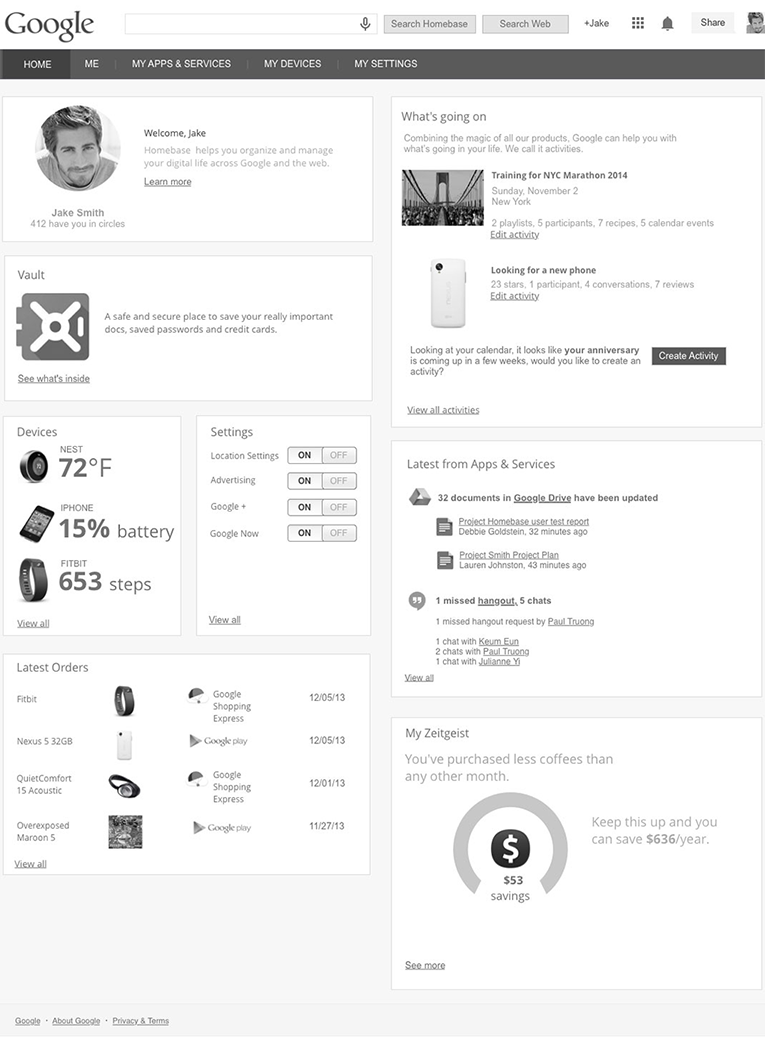
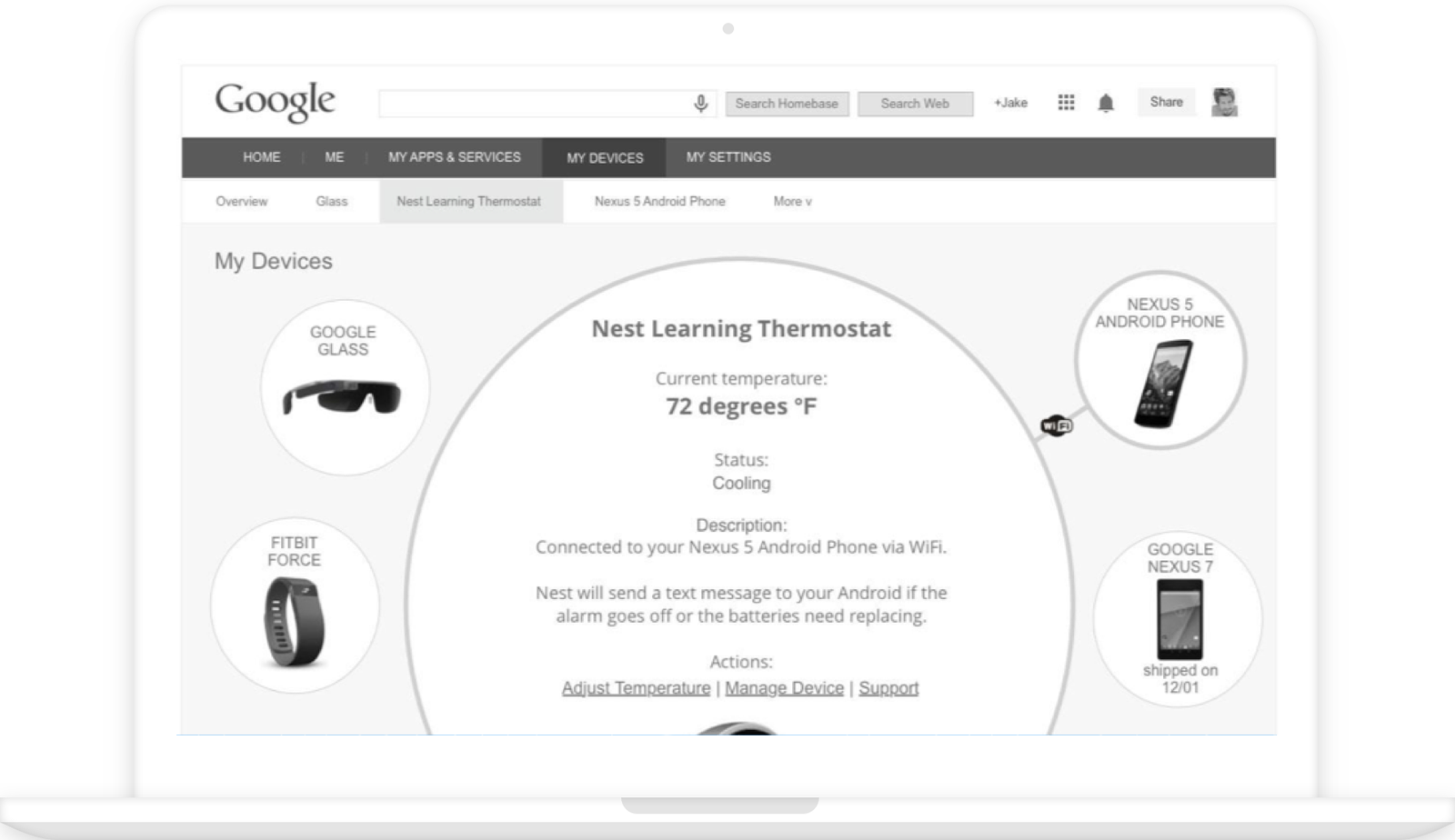
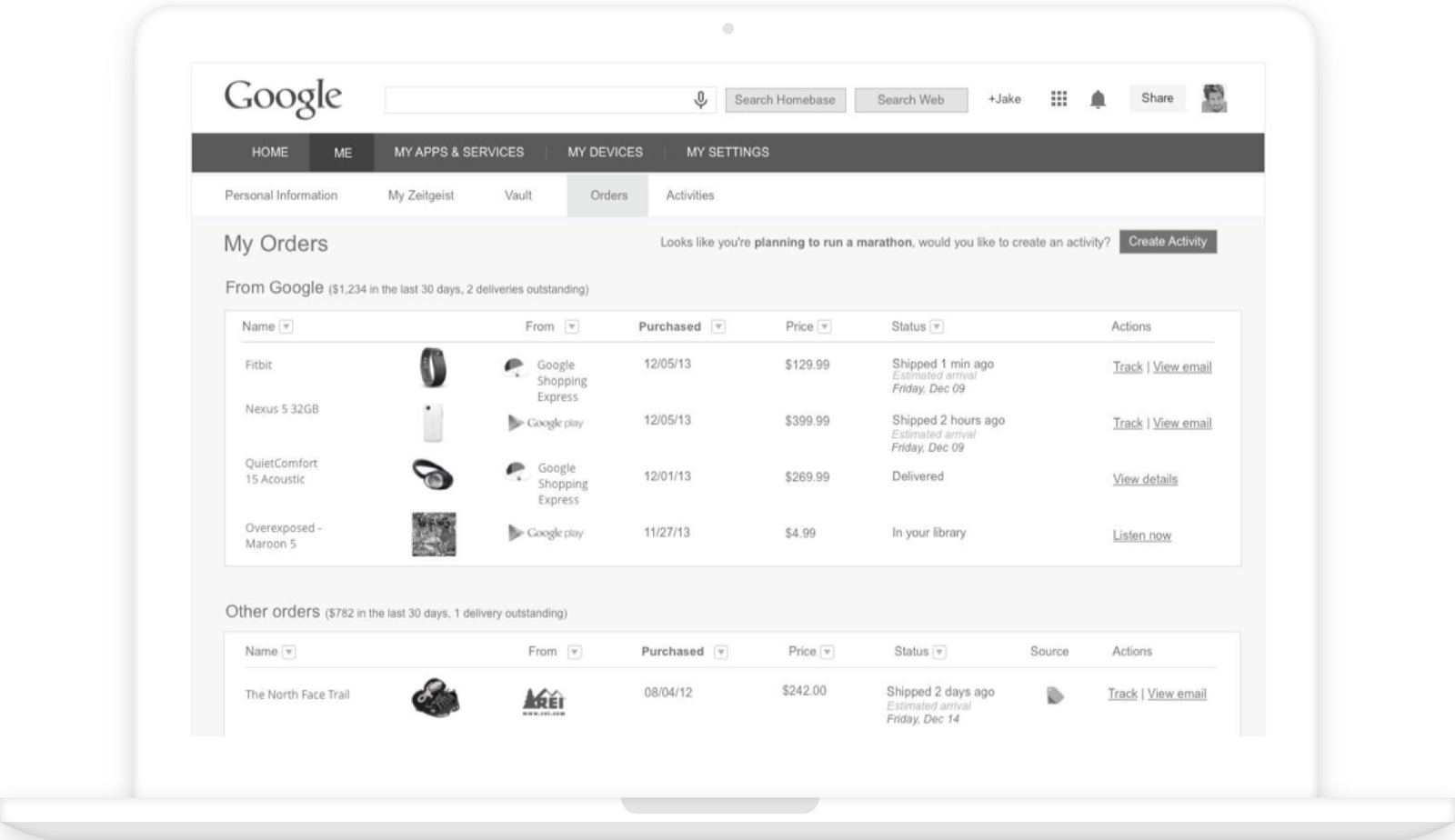
From first concepts to shipped screens.
Outcome
Our initial explorations informed the interaction and visual design direction for Google’s Privacy Settings, where billions of users can view and manage their personal data and privacy preferences.
Deliverables
Testimonial
Hugo’s highly adept at cutting through static so he can surface – and solve – critical dimensions of design problems. He’s thoughtful, generous, and always displays grace under pressure – a great colleague and collaborator.”
Next project
Citizens, Designing for personalization
Citizens Financial Group delivers a broad range of financial services to millions of individuals, companies, non-profits, and institutions.